Fraud Blocker

7 Mistakes Parents Make When Renting a Bounce House (And How to Avoid Them)

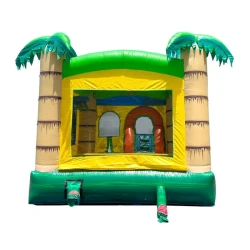
Planning a backyard party sounds simple at first. Then the questions start piling up. What size bounce house works best? Is it safe for younger kids? How much space do you actually need? And what happens if it rains? That’s why so many parents search for practical bounce house tips before booking inflatable entertainment for a birthday party or school event. A bounce house can turn an ordinary gathering into a memorable experience, but small planning mistakes can lead to unnecessary stress, safety concerns, or setup problems. This guide breaks down some of the most common mistakes families make when planning inflatable rentals and explains how to avoid them. By the end, you’ll have a clearer understanding of what to expect, how to prepare your space, and how to make smarter decisions when comparing backyard party rentals.   tropical themed bounce house rental

Choosing the Wrong Size Bounce House for Your Space

One of the most common issues with inflatable rentals starts before the equipment even arrives. Many parents focus on the look of the inflatable without measuring the setup area carefully. Bounce houses need more room than most people expect because operators also account for:
  • Safety clearance space
  • Blower placement
  • Anchoring areas
  • Entry and exit zones
  • Overhead clearance from trees or power lines
A bounce house that technically “fits” may still create safety or accessibility problems if the surrounding space is too tight.

How Much Space Does a Bounce House Need?

The answer depends on the inflatable style and design, but a good rule is to allow several extra feet around all sides of the unit. Taller inflatables like combo units or slides may also require significant vertical clearance. Before renting:
  • Measure your yard carefully
  • Check for slopes or uneven surfaces
  • Look for sprinklers, tree branches, fences, or utility lines
  • Confirm whether the inflatable will sit on grass, concrete, or pavement
If you want a broader understanding of setup requirements and inflatable types, this guide on everything about bounce house rentals explains many of the basics parents often overlook.

Ignoring Bounce House Age Limits

Another common mistake is assuming all inflatables are appropriate for every age group. In reality, bounce house age limits exist for safety reasons. Younger children and older kids often play differently, which can increase collision risks when everyone jumps together.

Why Age Group Separation Matters

A group of toddlers inside the same inflatable as older elementary-aged kids creates a major size and movement imbalance. Even when everyone is playing appropriately, accidental injuries can happen quickly. Most inflatable safety guidelines recommend:
  • Grouping children by age and size
  • Limiting overcrowding
  • Supervising entry and exit points
  • Following posted occupancy recommendations
Parents sometimes underestimate how quickly inflatables become chaotic during birthday parties, especially when excitement levels rise.

What Age Is Best for a Bounce House?

Many inflatables are designed for children between ages 3 and 12, but every unit is different. Some larger obstacle courses or slides may be more appropriate for older children, while smaller bounce areas are designed for younger kids. Reading product descriptions carefully helps avoid mismatched expectations during party planning. For families comparing different inflatable styles, browsing available bounce house rental options can help clarify which designs fit different age ranges and event types.

Waiting Too Long to Plan Backyard Party Rentals

Parents often underestimate how quickly popular inflatables become unavailable during warmer months. Spring and summer weekends tend to fill quickly because families, schools, churches, and neighborhood organizations are all scheduling outdoor events around the same time.

When Should You Reserve a Bounce House?

For peak summer weekends, many families start researching rentals several weeks ahead of time. Waiting until the last minute can limit:
  • Inflatable selection
  • Delivery availability
  • Setup timing flexibility
  • Access to larger or specialty units
This becomes especially important for:
  • Graduation parties
  • Holiday weekends
  • School field days
  • Community events
  • Summer birthdays
Planning ahead also gives parents more time to compare setup requirements, weather plans, and guest expectations without feeling rushed.

Forgetting About Weather and Surface Conditions

A bounce house setup depends heavily on environmental conditions. Many parents focus on the party schedule but forget to evaluate how weather and ground surfaces affect inflatable safety.

Is It Safe to Use a Bounce House After Rain?

Wet surfaces can create slipping hazards both inside and outside the inflatable. Heavy rain may also soften ground conditions, making anchoring more difficult. Wind conditions matter as well. Strong gusts can create serious safety concerns if inflatables are not properly secured. Before setup day, it helps to:
  • Monitor weather forecasts
  • Have an indoor backup plan if possible
  • Avoid muddy or saturated ground
  • Keep shoes, water, and sharp objects away from the inflatable
Understanding these details ahead of time helps reduce last-minute stress if weather conditions shift unexpectedly.

Overlooking Supervision During the Party

Many parents assume bounce houses are “set it and forget it” entertainment. In reality, active supervision plays a major role in preventing injuries and maintaining safe play conditions.

What Should Adults Watch for During Bounce House Use?

Supervision helps prevent:
  • Roughhousing
  • Flips or wrestling
  • Overcrowding
  • Mixing incompatible age groups
  • Unsafe entry and exit behavior
Adults should also monitor children who may become overwhelmed, overly excited, or fatigued during longer play sessions. Professional inflatable operators often emphasize that the equipment itself is only one part of the safety equation. Consistent supervision and clear play rules are equally important.

What Professionals Look for Before Setup

Experienced inflatable providers usually evaluate several factors before installation begins. This includes:
  • Ground stability
  • Power access
  • Clearance space
  • Surface type
  • Weather conditions
  • Safe anchoring points
Professionals also typically review occupancy guidelines and operational safety procedures before children begin using the inflatable. Parents sometimes focus primarily on themes or appearance, while experienced operators think first about logistics, spacing, airflow, and supervision conditions. Understanding that perspective helps families make more informed rental decisions. If you want to explore additional inflatable topics and planning resources, the bounce house blog category covers related guides and educational content.

Frequently Asked Questions About Bounce House Tips

How long can kids safely play in a bounce house?

Most children benefit from short play sessions with breaks, especially during warm weather. Hydration, supervision, and limiting overcrowding help reduce fatigue and overheating.

What size bounce house is best for a backyard?

The best size depends on your available space, the number of children attending, and the age group using the inflatable. Measuring your setup area ahead of time is one of the most important bounce house tips parents can follow.

Are bounce houses safe for toddlers?

Some inflatables are designed specifically for younger children, but toddlers should generally play separately from older kids. Adult supervision is especially important for younger age groups.

Can bounce houses go on concrete?

Some inflatables can be installed on concrete or pavement if proper anchoring methods are used. Surface requirements vary depending on the inflatable type and setup conditions.

What happens if it rains during a bounce house rental?

Weather policies vary, but rain, lightning, or strong wind conditions may affect inflatable use. Wet surfaces can increase slipping risks, so monitoring forecasts ahead of time is important.

How many kids can go in a bounce house at once?

Occupancy limits depend on the inflatable’s size and design. Following posted guidelines helps reduce collision risks and overcrowding.

Final Thoughts

Most bounce house problems happen because of planning oversights, not because inflatables themselves are unsafe or difficult to manage. Measuring your space carefully, understanding age guidelines, preparing for weather conditions, and supervising children consistently all contribute to a smoother experience. The more informed parents are before booking, the easier it becomes to choose appropriate backyard party rentals and avoid common mistakes. If you’d like to explore this topic further, related educational guides can help you better understand inflatable setup, safety, and event planning basics.
dynamic io trk code
Days

Start
End


Some items are not available for the selected delivery method.
You may not be on the correct site. Click here to change location.
Subtotal (estimate):
Delivery Fee (Change Address):
Save Address

Continue Shopping
Enter Address Information (edit)
Locate

If you are taking measurements for a structure such as a building or fence, please provide the height of the structure here. If height does not apply to the wash, for instance for a gutter wash, leave this field empty. Please note if you enter a value here after taking measurements, you will need to take measurements again.